
As the HVAC industry continues its transition away from high-GWP refrigerants like R-410A, homeowners in 2025 are faced with an important decision: Should you choose an air conditioner that uses R-32 or R-454B refrigerant? Both are environmentally friendly and energy-efficient alternatives, but they come with different performance characteristics, availability, and long-term considerations.
In this article, we’ll compare R-32 and R-454B to help you make the best decision for your home comfort system in 2025.

Understanding R-32 and R-454B Refrigerants
Both R-32 and R-454B are classified as A2L refrigerants, meaning they are mildly flammable and require special handling. These refrigerants are designed to replace R-410A, which is being phased out under the AIM Act due to its high global warming potential (GWP).- R-32: A single-component refrigerant with a GWP of 675, widely adopted across Europe and Asia, and increasingly popular in North America.
- R-454B: A blended refrigerant (R-32 and R-1234yf) with a lower GWP of 466, often chosen by U.S. manufacturers as a transitional drop-in replacement for R-410A systems.
Energy Efficiency and Performance
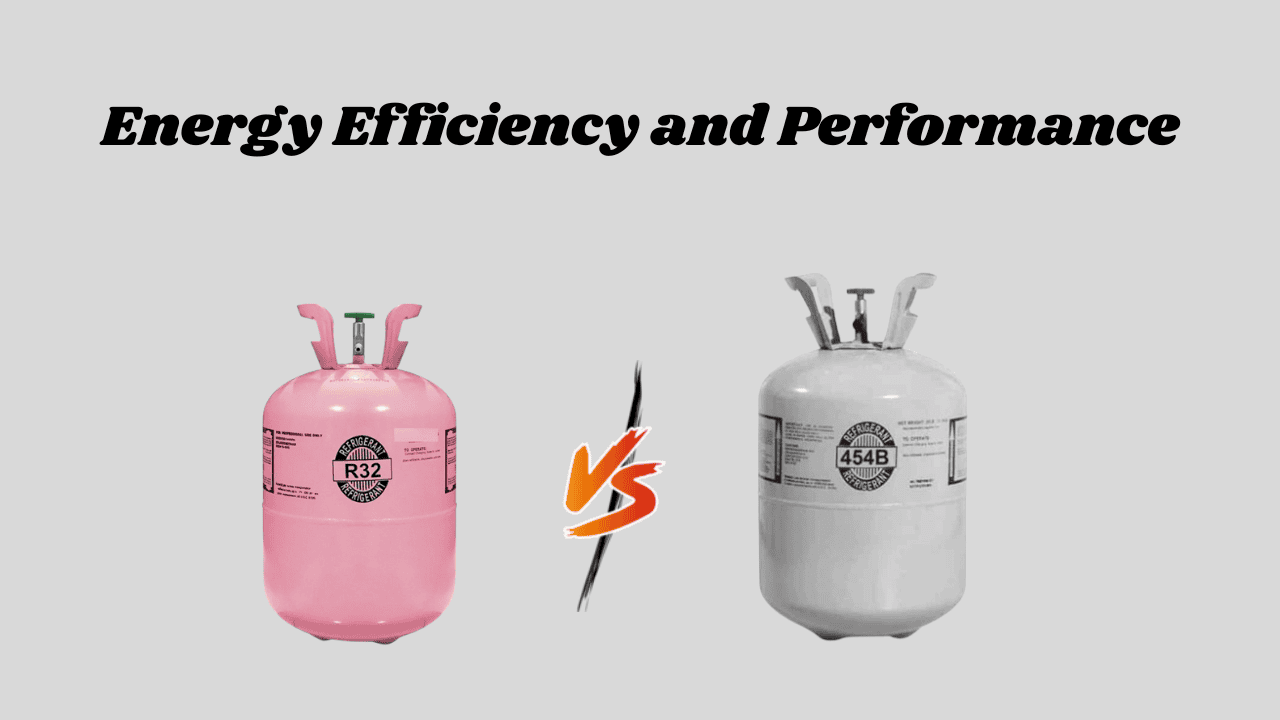
When it comes to cooling efficiency, R-32 leads the pack. Studies show R-32 is approximately 10–12% more efficient than R-410A, and slightly more efficient than R-454B due to its superior heat transfer properties and lower required charge size. Because R-32 operates at higher pressures, air conditioning systems designed around it often provide better overall performance and improved SEER2 ratings, resulting in lower monthly energy bills. R-454B is still an efficient choice and works well in retrofit systems, but in side-by-side comparisons, it generally falls short of R-32’s energy performance.Environmental Impact
Both refrigerants are considered climate-friendly alternatives:- R-32 has zero Ozone Depletion Potential (ODP) and a relatively low GWP.
- R-454B offers a slightly lower GWP and is thus marginally better in terms of direct emissions.
Maintenance and Service Considerations
R-32 is a single-component refrigerant, which simplifies service and reduces the risk of blend separation during leaks. It also allows for easier recharging and maintenance, lowering long-term service costs for homeowners. In contrast, R-454B is a blend, meaning any leak may require a full evacuation and recharge to maintain the correct chemical balance. This makes service more complex and potentially more expensive.System Compatibility and Retrofitting
If you’re retrofitting an older R-410A system, R-454B might be more compatible, as it operates at similar pressures and requires fewer design modifications. However, for new installations, R-32 is becoming the global standard. Manufacturers like Daikin, Fujitsu, Goodman, and Amana have already adopted R-32 for many residential systems, and more are following suit.
Market Availability and Cost in 2025
One of the biggest issues in 2025 is the shortage of R-454B refrigerant and compatible cylinders. Contractors report long lead times, price surges, and limited stock. The price of R-454B has more than doubled in some regions due to import reliance, cylinder shortages, and panic buying. By contrast, R-32 is widely available, affordably priced, and backed by a strong global supply chain. This makes it a more practical and reliable choice for homeowners who need timely installation and service.Conclusion: R-32 Is the Smart Choice for Homeowners in 2025
While both R-32 and R-454B offer solid energy efficiency, environmental responsibility, and are likely to play key roles in the future of HVAC, R-32 stands out in 2025. It is more widely adopted, easier to maintain, more efficient, and—most importantly—readily available on the market. For homeowners looking to install or replace an air conditioner in 2025, air conditioning units with R-32 refrigerant are the better choice, ensuring comfort, cost savings, and peace of mind.Please follow and like us:


